
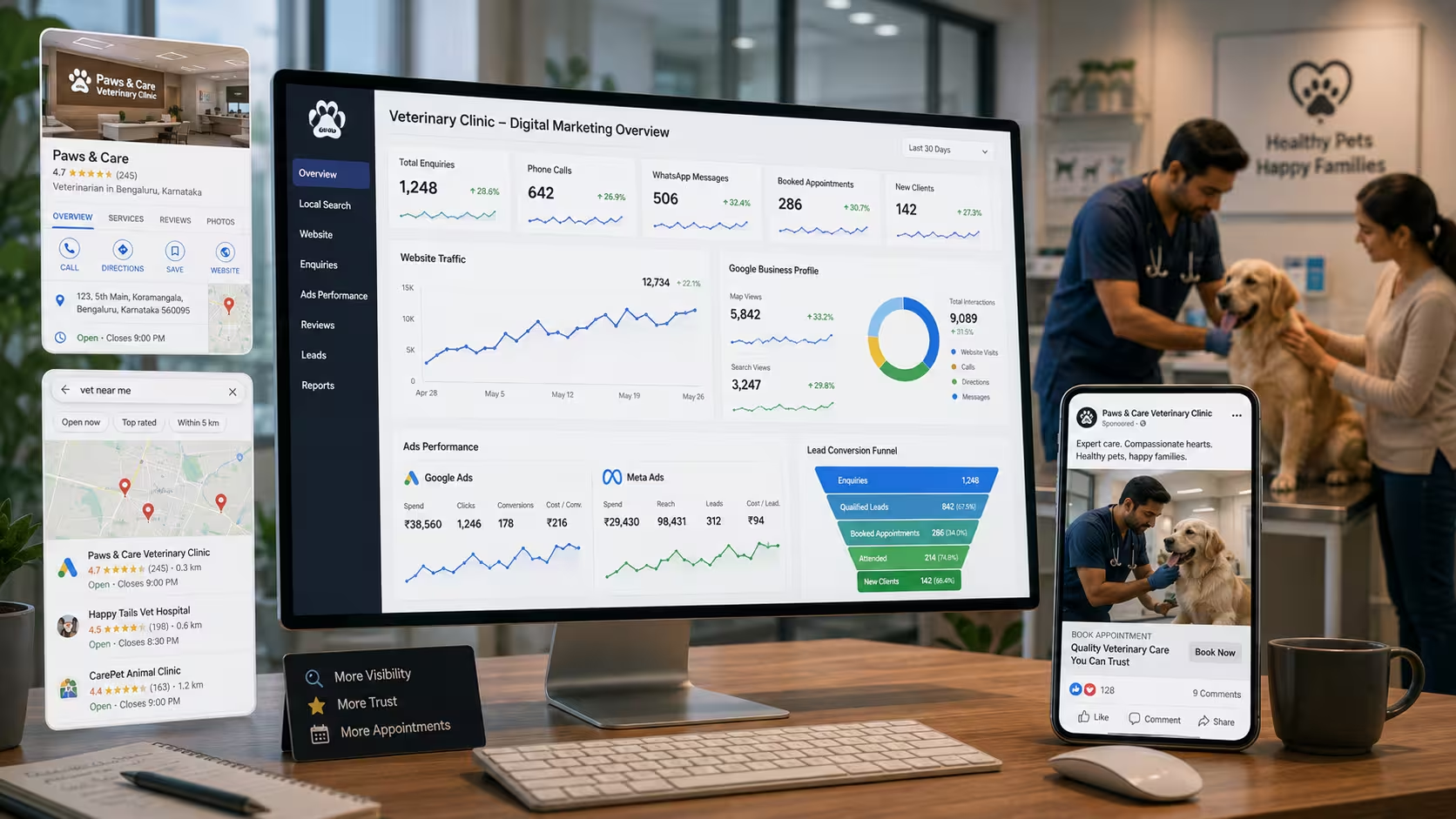
A lot of veterinary clinics have a website, a Google Business Profile, and an Instagram page — and still get most of their new clients from word of mouth rather than from any of it. That’s usually not because digital marketing doesn’t work for veterinary practices. It’s because having a website, a profile and a page isn’t the same as having a system that turns a pet owner’s search into a booked appointment.
A clinic can look “present” online and still be functionally invisible at the exact moment it matters — when someone’s dog won’t stop limping on a Saturday morning and they’re typing “vet near me” with one hand while holding the leash with the other.
This is a practical breakdown of what actually moves the needle for a veterinary clinic’s digital marketing in India: what to prioritise first, what most clinics get wrong, and what a genuinely complete strategy looks like — not a generic “digital marketing basics” article with “veterinary clinic” inserted into it.
Why Veterinary Clinics Struggle With Digital Marketing Despite “Doing Everything”
A common pattern shows up across clinics that have invested in a website and social media but still aren’t seeing it translate into appointments: the effort has gone into visibility for its own sake, not into the two or three assets that actually decide whether a pet owner picks up the phone.
A common mistake is treating the website as the main digital asset and Google Business Profile as an afterthought — when for a local, urgent-intent business like a veterinary clinic, it’s usually the other way around. Pet owners deciding where to take an injured or sick animal are looking at the Google Maps pack, the star rating, and how recent the reviews are, often before they ever click through to a website.
What often goes wrong next is inconsistent information — a phone number that’s different on the website versus the Google listing, opening hours that haven’t been updated since the profile was created, services listed generically (“veterinary services”) instead of specifically (vaccinations, dental cleaning, spay/neuter, emergency care). Pet owners comparing two or three clinics in a moment of urgency tend to eliminate the one that looks the least certain, and inconsistent basic information reads as uncertainty even when the clinic itself is excellent.
How Pet Owners Actually Search for a Vet
Veterinary searches split into two very different modes, and a clinic’s marketing needs to account for both.
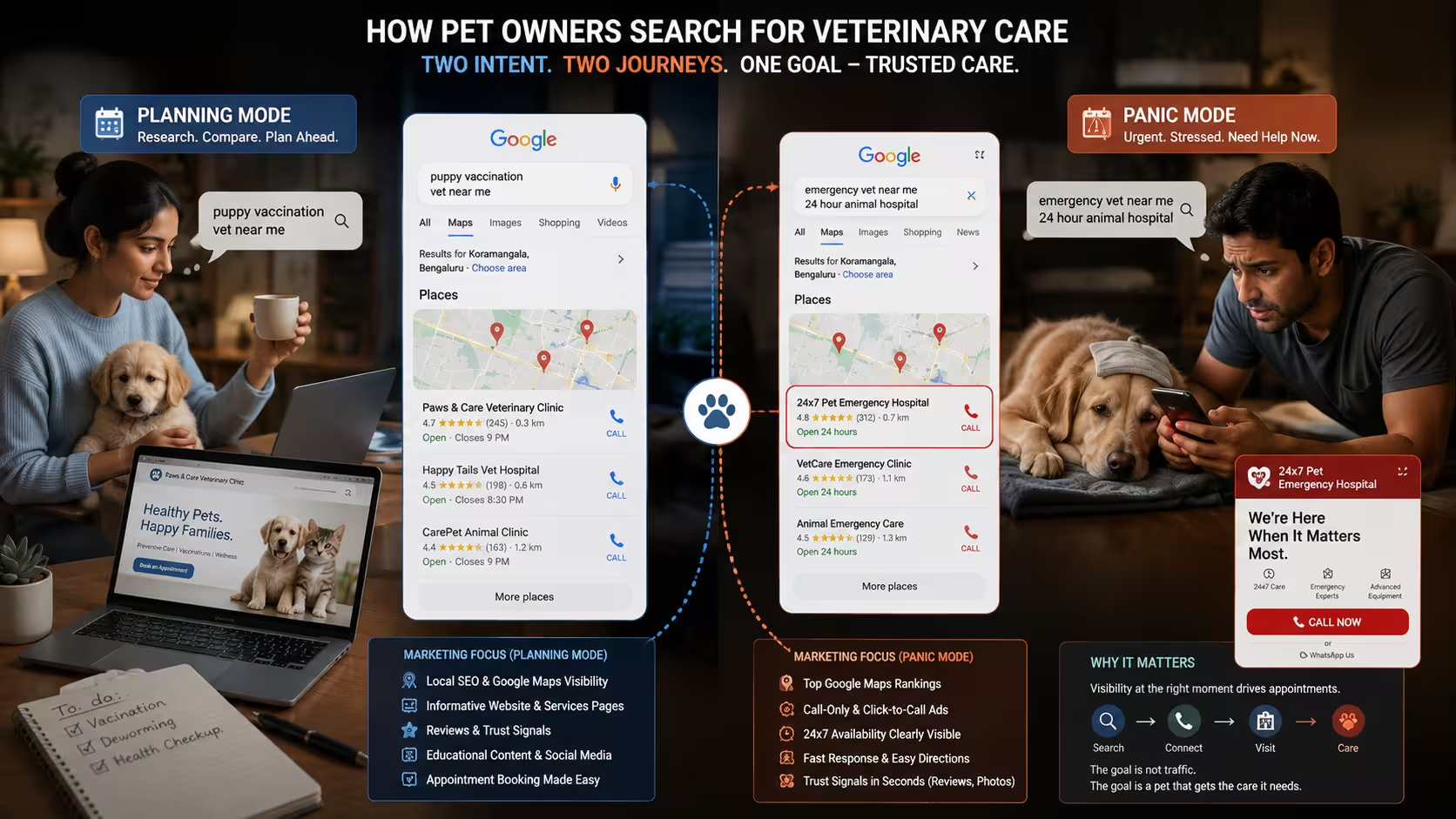
The first is planning mode — someone who just adopted a puppy searching “vet near me” or “puppy vaccination schedule,” comparing a couple of options over a day or two before booking. The second is panic mode — a pet that’s suddenly unwell, searching “emergency vet near me” or “24 hour animal hospital,” ready to call whichever result looks most trustworthy and closest, right now.
Both modes land in the same place first: the Google Maps local pack, the cluster of three results with a map, star ratings, hours and a call button that Google shows above the regular search results for almost any “near me” query. Industry local-SEO benchmarking (iVET360, 2026) puts local intent at roughly 46% of all Google searches, and separate veterinary-specific analysis has found practices appearing in the map pack receiving over twice the appointment requests of those that only rank in the organic results below it. Whatever the exact figures for any individual clinic, the pattern holds consistently across the industry: the map pack is where the decision gets made, not the website.
Google Business Profile: The Highest-Value Asset Most Clinics Undermanage
If there’s one thing worth getting genuinely right before anything else, it’s this. For many local veterinary clinics, Google Business Profile is one of the highest-priority digital assets because it helps the business appear where nearby pet owners are actively searching — and it’s free to set up.
What actually matters inside the profile:
- Correct primary category (Veterinarian, Animal Hospital, or Emergency Veterinary Service — matched to how the clinic actually operates, not the broadest option available)
- Every individual service listed explicitly — vaccinations, spay/neuter, dental cleaning, grooming, boarding, diagnostics, emergency care — rather than a single generic “veterinary services” line
- Accurate, consistently updated hours, including holiday hours and whether emergency/after-hours care is actually available
- A steady stream of recent photos — the clinic, the team, the equipment, not just a logo
- Posts and Q&A actively maintained, not set up once and abandoned
- A phone number and address that match exactly across the website, the profile, and every directory the clinic appears on
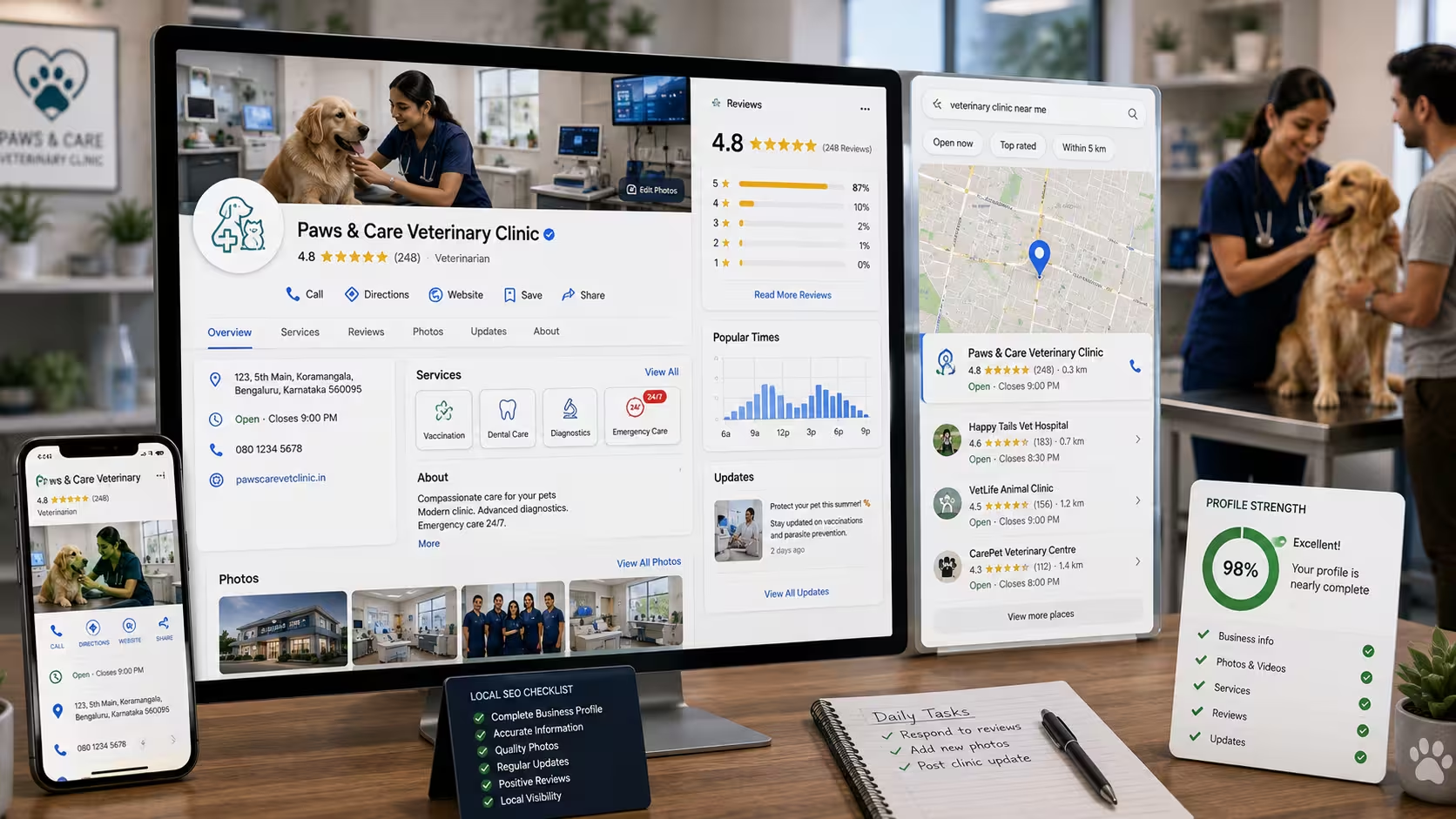
The review layer sits on top of all of this, and it’s not optional for a category this trust-sensitive. A recurring finding across consumer-behaviour research on healthcare and local-service decisions is that the large majority of people read online reviews before contacting a business, and a meaningful share explicitly say reviews are part of how they choose a healthcare provider for themselves or their pet. Recency matters as much as volume — a profile with a steady trickle of recent reviews tends to hold its map pack position more reliably than one with a large number of old reviews and nothing recent. A simple ask at the end of a positive visit (“would you mind leaving us a quick Google review?”) does more for long-term visibility than almost any paid campaign.
Check our Complete Google Business Profile Optimization Checklist 2026
Local SEO Beyond the Profile
Google Business Profile gets the map pack. The website is what wins the organic listings underneath it and gives Google (and the pet owner) more to work with.
The biggest structural gap on most veterinary websites is a single “Services” page trying to cover everything. Dedicated pages for major service lines — vaccinations, dental care, spay/neuter, diagnostics, emergency care, grooming — give each one a chance to rank for its own specific searches (“cat dental cleaning [city]”, “dog vaccination clinic near me”) instead of competing against each other on one generic page.
Location-specific content matters too, especially for clinics serving more than one neighbourhood or planning to open a second location. A dedicated, genuinely useful page for each service area — not a thin page that just swaps the city name — helps a clinic show up for people searching in that specific part of town, not just its own immediate postal code.
Also Read:- Local
SEO for Veterinary Clinics in India: Getting Found When It Actually Matters
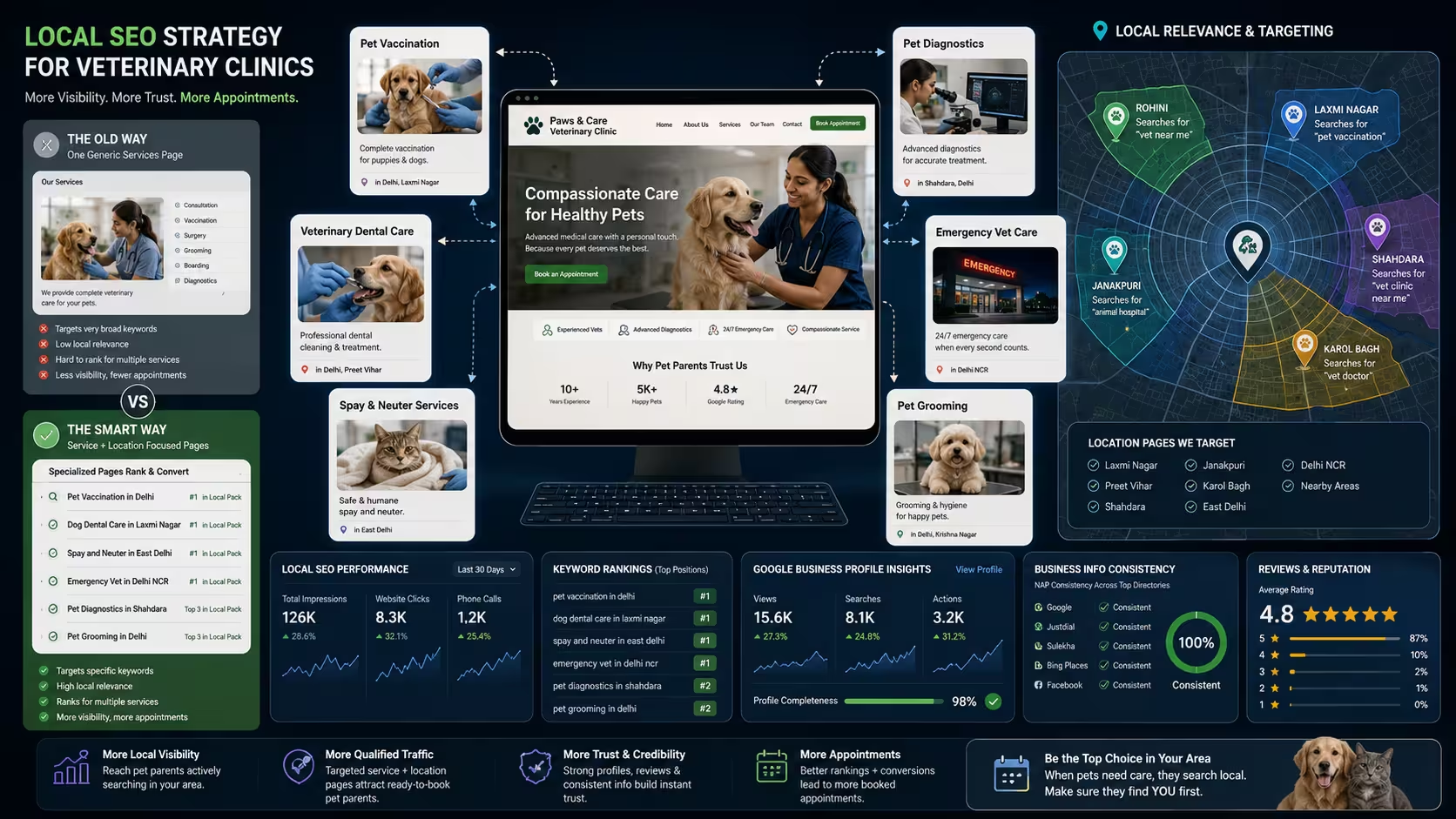
Business name, address and phone number (NAP) consistency across the website, Google Business Profile, and any directories the clinic is listed on (JustDial, Practo, Sulekha, local business directories) is a basic but frequently neglected signal. Inconsistent NAP data is one of the more common reasons an otherwise solid clinic underperforms in local rankings.
Related:- Google Business Profile Suspended in India — Complete Recovery Guide (2026)
Reputation Management: Where Trust Actually Gets Decided
Veterinary care is an emotional purchase decision even when it’s routine — pet owners are trusting a stranger with an animal they consider family. That’s exactly the kind of decision where third-party proof (reviews, testimonials, before/after cases where appropriate) carries more weight than anything a clinic says about itself.
A practical reputation system for a veterinary clinic doesn’t need to be complicated, but it needs to be consistent:
- Ask for a review after every positive visit — not just occasionally, as a habit built into the front-desk process
- Respond to every review, positive and negative — a thoughtful response to a negative review, addressing the specific concern rather than a generic apology, often does more for trust than the negative review itself does damage
- Never argue with a client in a public review response, even when the clinic is clearly in the right — move the specifics to a phone call or direct message and keep the public response calm and professional
- Feature real client stories and reviews on the website and social media, not just star ratings — specifics build more trust than a number
Google Ads for Veterinary Clinics
Google Ads earns its place for a veterinary clinic mainly around one thing: capturing the searches happening right now that organic and local rankings haven’t caught up to yet — a new clinic still building its review profile, a competitive area where the map pack is crowded, or the panic-mode emergency searches where being visible in the first ten seconds matters more than anything else. You can check our comprehensive guide about Google Ads Services (2026).
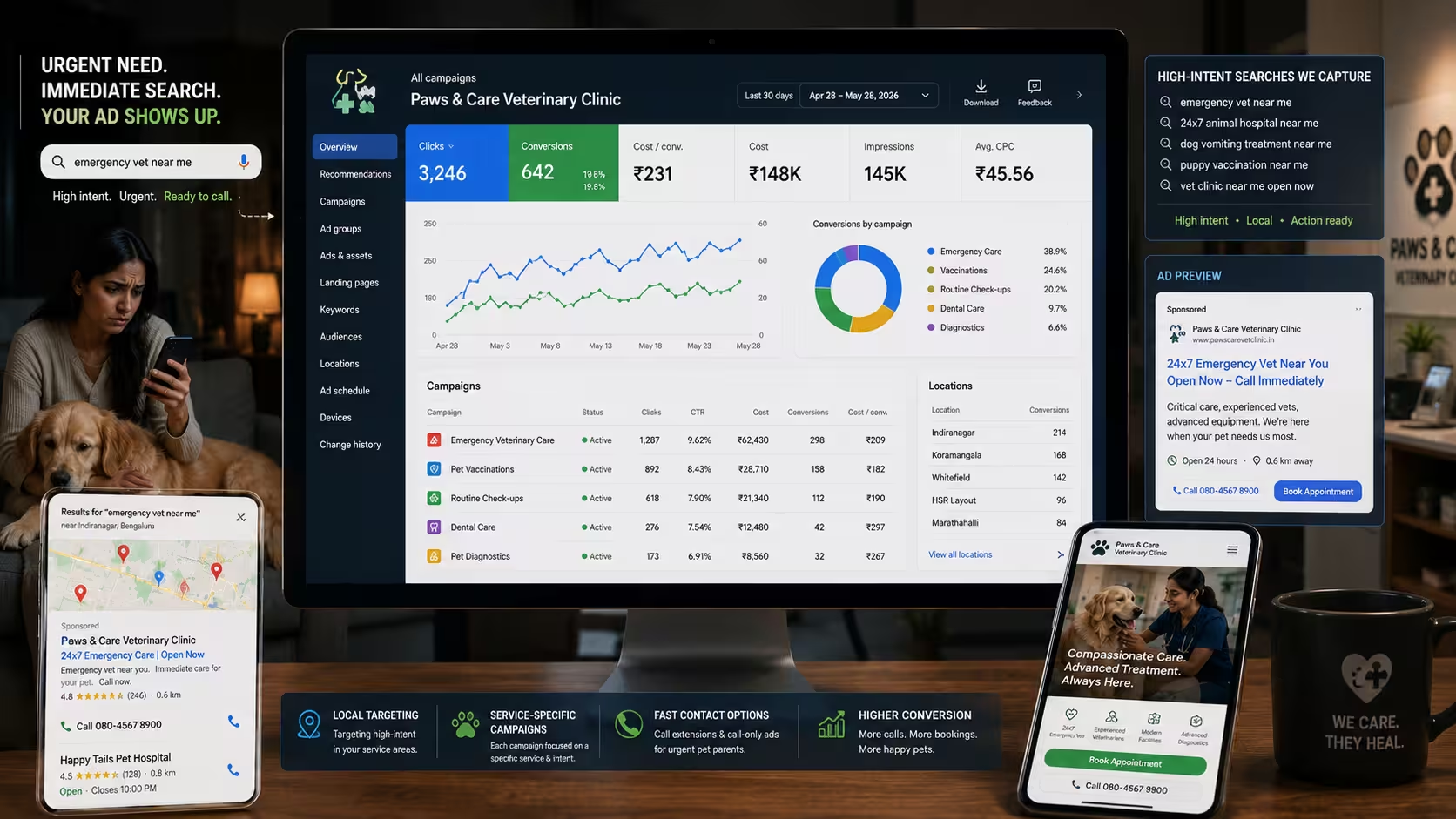
A few things worth getting right specifically for this category:
- Structure campaigns around service intent, not one broad “veterinary services” campaign — vaccination searches, emergency searches, and routine check-up searches are different buyers with different urgency, and they deserve different ad copy
- Call extensions matter more here than in most categories — a meaningful share of veterinary searches, especially emergency ones, end in a phone call rather than a form fill, so an ad that makes calling effortless usually outperforms one built purely for clicks
- Landing pages need the clinic’s name, address and phone number visible immediately, along with a visible call button — pet owners in panic mode are confirming proximity and trust in seconds, not reading a full page
- Ad scheduling should reflect actual clinic hours unless the clinic genuinely offers 24/7 emergency care — an ad that rings through to voicemail late at night does more harm than good to trust
- Note for India specifically: Google’s Local Service Ads product (the “Google Guaranteed” pay-per-lead format some clinics may have read about) isn’t available for veterinary practices in the Indian market at the time of writing, so standard Search campaigns with strong local targeting and call extensions remain the practical option here.
Check our complete
guide about Google
Ads for Veterinary Clinics in India: Beyond Clicks to Booked Appointments.
Meta Ads for Veterinary Clinics
Meta Ads play a different role than Google Ads for this category — less about catching someone mid-search, more about staying visible to local pet owners before they have an urgent need, so the clinic is already familiar when the search happens.
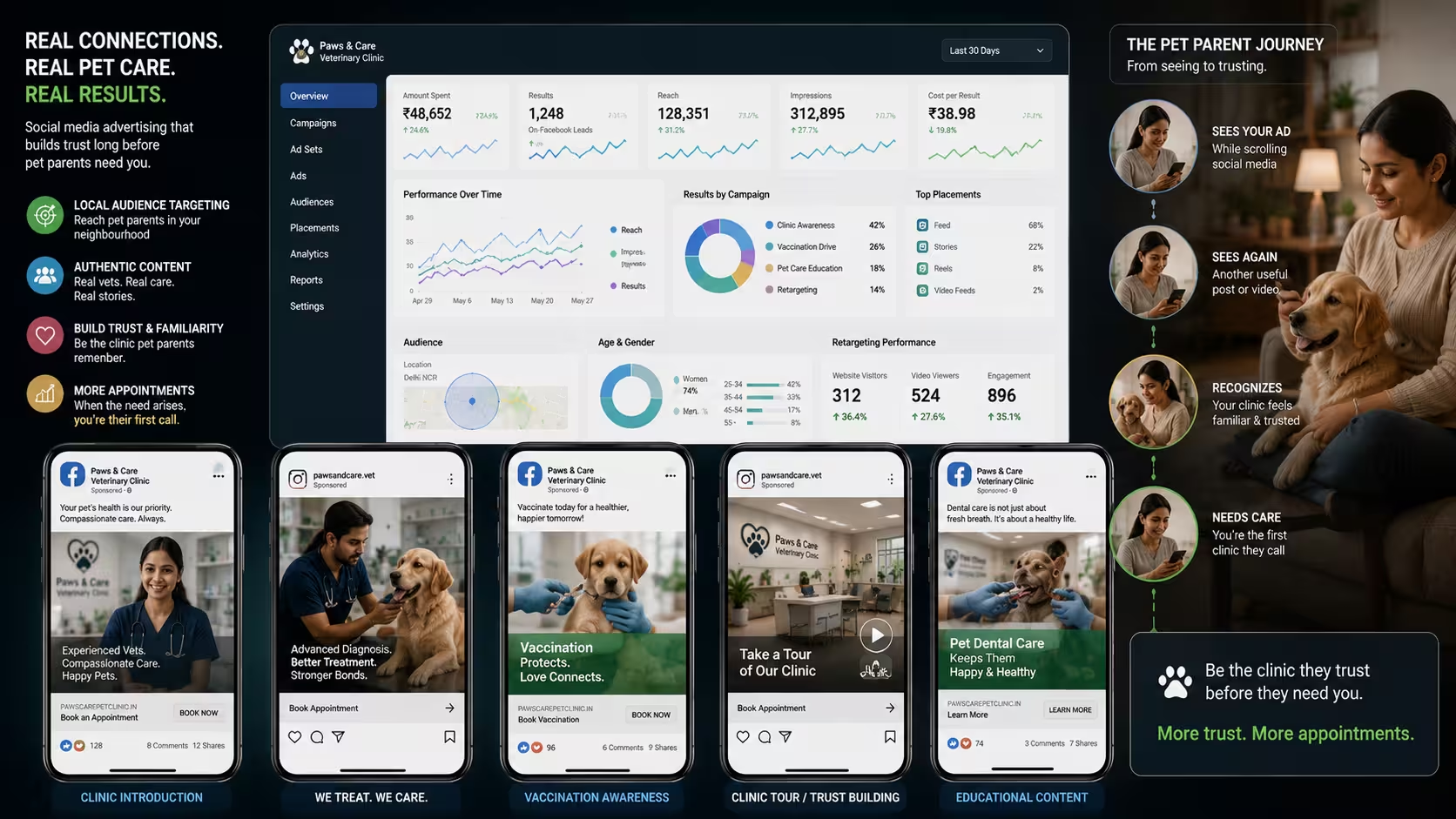
What tends to work: short video content showing the clinic and team (pet owners want to see who they’d be trusting, not just read about credentials), locally targeted awareness campaigns rather than broad reach, and retargeting website visitors or Instagram engagers with a specific offer — a new-client wellness exam, a vaccination drive, a dental-care awareness campaign timed to a season. Click-to-WhatsApp campaigns are worth testing here too, since a large share of Indian pet owners are already comfortable messaging a business on WhatsApp to ask a quick question before deciding to visit — WhatsApp adoption for business messaging in India is unusually high compared to most global markets.
Check our Social Media Marketing Services What Actually Works for Local Businesses (2026)
Social Media: Building Familiarity, Not Chasing Virality
For a veterinary clinic, social media’s real job is building the kind of familiarity that makes a pet owner think “I already know this place” the moment they need one. That’s a different goal from chasing reach or follower count, and it changes what’s worth posting.
What tends to build that familiarity: the team and the clinic itself (not just pet photos pulled from stock libraries), simple educational content addressing common pet-owner questions (vaccination schedules, warning signs to watch for, seasonal risks), and short clips that show what an actual visit feels like — because for a first-time client, walking into any clinic is a small leap of faith, and seeing it beforehand lowers that barrier. Consistency matters more than frequency here — a clinic posting two or three genuinely useful things a week, every week, tends to build more trust over a year than one posting daily for a month and then going quiet.
Website and Appointment Conversion
Traffic that doesn’t convert into a booked appointment isn’t doing the clinic much good, and this is where a lot of otherwise solid marketing effort leaks away.
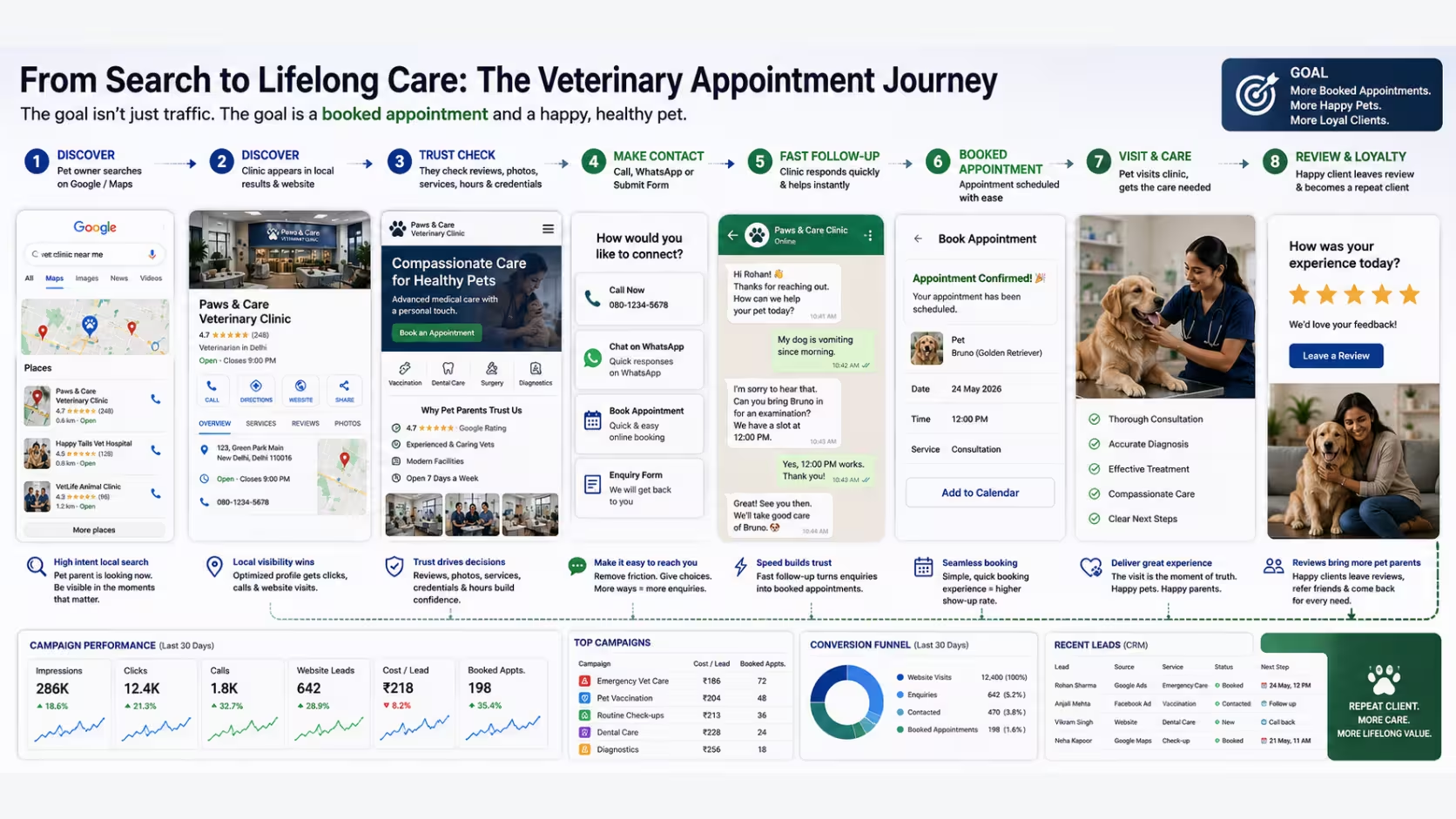
The basics that consistently move the needle: a visible phone number and a WhatsApp or click-to-call button on every page, not buried in a footer; an appointment request form that asks for the minimum needed (pet type, concern, preferred time) rather than a long intake form that feels like paperwork before the pet has even been seen; clear service pages that answer “do they treat my specific concern” without the pet owner having to call and ask; and genuine trust signals — years in practice, the vets’ qualifications, real client photos — placed where a first-time visitor will actually see them, not buried on an About page nobody clicks.
Related:- Website Designing Services in Delhi NCR — Built for Speed, SEO and Conversions
Lead Quality and Appointment Follow-Up
An enquiry that never gets followed up on is a wasted marketing spend regardless of which channel it came from. What often goes wrong here: a form submission or WhatsApp message from the website sitting unanswered for hours because it’s not anyone’s clearly assigned job to check; no simple way to track where enquiries are actually coming from, so nobody can tell which channel is genuinely working; and no follow-up at all for someone who enquired but didn’t book — despite the fact that a gentle follow-up a day or two later often recovers a meaningful share of these.
None of this needs to be sophisticated. A shared inbox or simple spreadsheet that tracks source, date, status and outcome for every enquiry is enough to start seeing which channels are actually producing booked appointments, not just clicks.
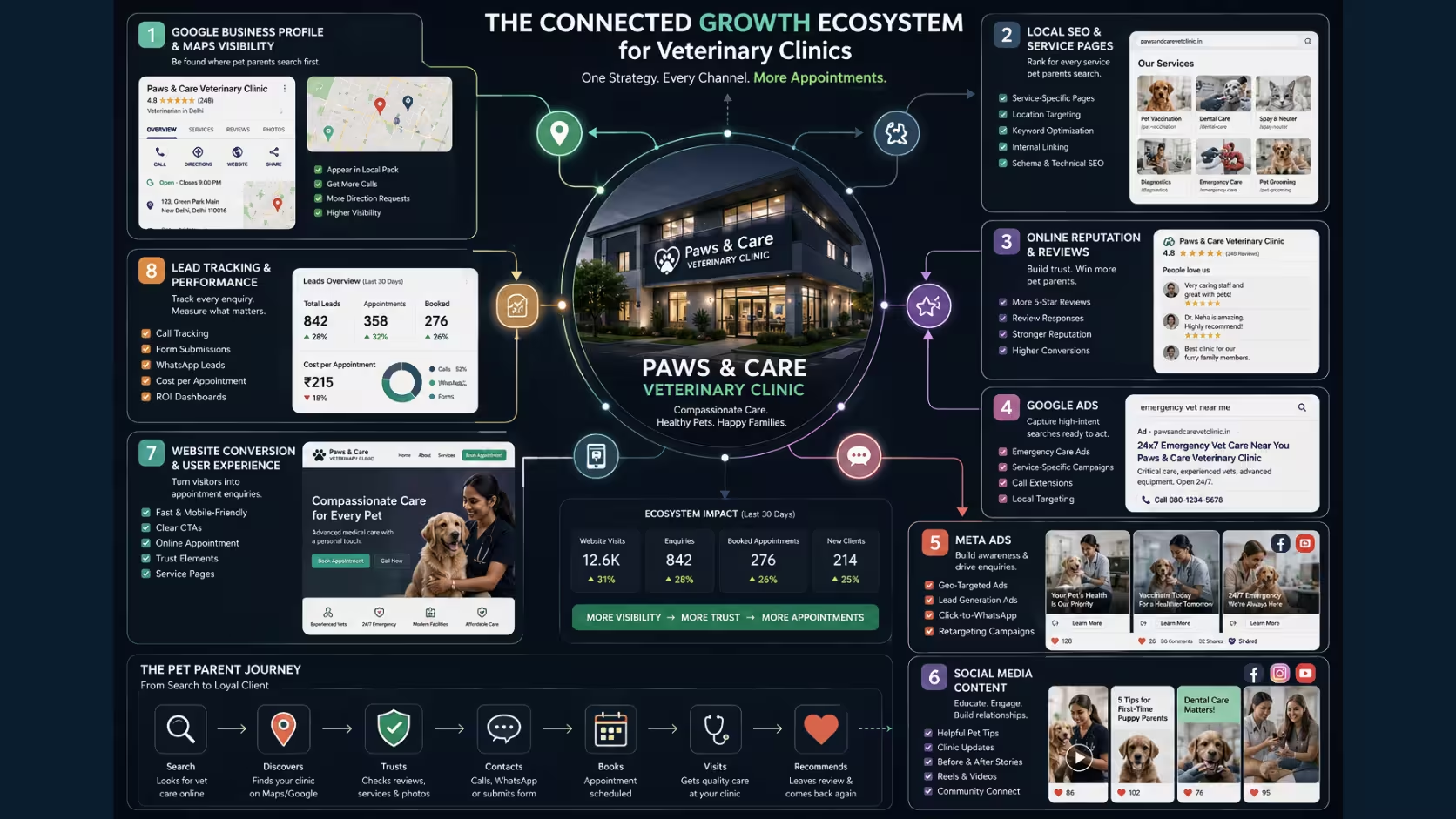
What a Full Digital Marketing Strategy for a Veterinary Clinic Should Include
“We’ll post on social media and run some ads” isn’t a strategy for a category this local and trust-driven — it’s a placeholder for one. A genuinely complete approach covers each of the following as a distinct, deliberate piece, not an afterthought bundled into one generic package:
- Google Business Profile — fully built out, correctly categorised, actively maintained with photos and posts
- Local SEO — dedicated service pages, location pages where relevant, NAP consistency across the web
- Reputation management — a consistent review-request process and a habit of responding to every review
- Google Ads — service-intent campaigns with call extensions and a landing page built for fast decisions
- Meta Ads — awareness and retargeting to stay visible before the urgent need arises, tested against a Click-to-WhatsApp option
- Social media — consistent, genuine content that builds familiarity rather than chasing reach
- Website conversion — visible contact options, a short appointment form, and real trust signals above the fold
- Lead tracking — a simple system that shows which channel is actually producing booked appointments, not just enquiries
What to Look for in a Veterinary Digital Marketing Agency
Plenty of clinic owners manage a basic version of this themselves, especially early on — claiming and building out the Google Business Profile alone is something most clinics can do without outside help. Bringing in a specialist tends to make sense once the clinic wants Google Ads and Meta Ads running properly alongside SEO, once there’s more than one location to manage consistently, or once the owner’s own time is worth more spent treating animals than managing ad accounts and review requests.
A few questions worth asking any agency or freelancer being considered for this work:
- Do they understand the difference between planning-mode and panic-mode searches, and will campaigns and content reflect that — or is it the same generic local-business package used for every client regardless of industry?
- Will they properly build out and maintain the Google Business Profile, or treat it as a one-time setup task?
- Do they have a concrete plan for review generation, or does reputation management stop at “we’ll mention it to you”?
- Can they explain how leads will be tracked back to the channel that produced them, or will reporting stop at clicks and impressions?
- Are they upfront that local SEO and reputation-building take months to compound, or do they promise fast rankings that no legitimate agency can honestly guarantee?
Budget and Realistic Expectations
How much a veterinary clinic should spend depends heavily on the city, the number of competing clinics nearby, and how built-out the Google Business Profile and website already are — a clinic starting from a bare, unclaimed profile has different priorities (and different early costs) than one refining an already-solid presence.
A few things worth keeping in mind regardless of budget size:
- Local SEO and reputation management are compounding, not instant — the clinics that show up reliably in the map pack a year from now are usually the ones that started the review-request habit and profile maintenance today, not the ones spending the most on ads
- Paid ads (Google and Meta) can produce enquiries quickly, but they stop the moment spend stops — they’re a useful complement to organic visibility, not a replacement for it
- Cost per enquiry means little without tracking it through to cost per booked appointment — a cheap lead that never shows up isn’t actually cheap
- Emergency and urgent-care searches are typically the highest-value, highest-competition queries in the category — worth prioritising in both organic and paid strategy if the clinic genuinely offers that care
Common Mistakes Veterinary Clinics Make With Digital Marketing
- Treating the website as the primary asset while leaving Google Business Profile incomplete or outdated
- Listing services generically instead of naming each one explicitly, missing the specific searches pet owners actually use
- Inconsistent phone number, address or hours across the website, GBP and directories
- No consistent process for requesting reviews, so the profile looks inactive even when the clinic is busy
- Ignoring negative reviews instead of responding calmly and specifically
- Running Google Ads to a generic homepage instead of a page built for fast, local, trust-driven decisions
- Posting on social media inconsistently, then judging the channel as “not working” after a few quiet weeks
- No system for tracking which channel enquiries actually come from, or for following up on ones that don’t convert immediately
Tier-1 vs Tier-2 City Considerations in India
A strategy built for a dense metro doesn’t transfer directly to a smaller city, and treating every Indian market identically is a common gap in generic advice.
In tier-1 cities like Delhi NCR, Mumbai or Bangalore, competition for map pack visibility is higher and review volume tends to be a genuine differentiator — clinics need a steady, active review process just to stay competitive with everyone else doing the same thing. In tier-2 and smaller cities, organised veterinary clinics (as opposed to individual practitioners or informal setups) are often still building basic awareness, so content and Google Business Profile descriptions may need to do more explaining of what a modern, full-service clinic actually offers, rather than assuming pet owners already understand the difference.
Language is worth considering deliberately rather than defaulting to English everywhere. In many tier-2 markets and mixed-language tier-1 neighbourhoods, a Hindi or regional-language version of key website content, along with a natural (not overly formal) tone on WhatsApp, tends to get faster engagement than an English-only presence — particularly for the kind of quick, urgent question a worried pet owner sends before deciding whether to visit.
Ready to Turn Searches Into Booked Appointments?
At Grow My Biz Digital, we work with healthcare and local-service businesses across Delhi NCR — including veterinary clinics — on the specific mix of Google Business Profile management, local SEO, reputation building, and Google/Meta Ads that this kind of trust-driven, urgent-intent category actually needs. If you’d like a straightforward look at where your clinic’s current setup is losing enquiries, get in touch and we’ll walk you through it.